Cultural academic heritage
Palmyra Painting
The Allard Pierson Museum owns the oldest painting of the Syrian city of Palmyra. The panorama shows the archaeological site as we can never see it again.
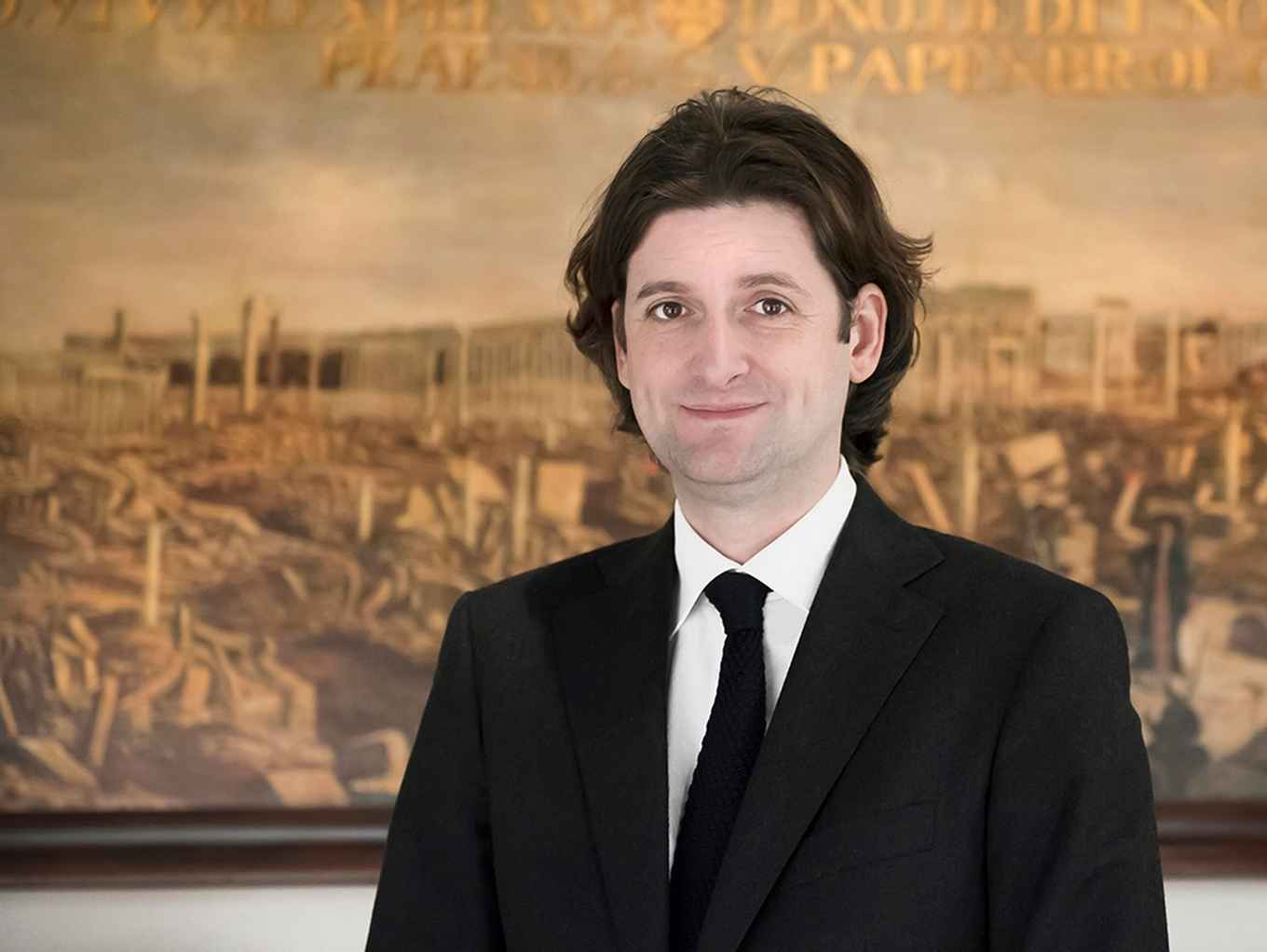
‘This painting is of enormous historical value because it is so realistic. It offers us an image of Palmyra as we will never be able to see it again. What the 'Night Watch' is to the Rijksmuseum, is Palmyra to the Allard Pierson Museum. With this I want to underline the importance of restoring this window on to the past to its former glory.'
City of Thousand Columns
The Syrian city of Palmyra has always appealed to the imagination of archaeologists, artists and travellers interested in cultural-history. There are many drawings and paintings of the City of a Thousand Columns. The Allard Pierson Museum has a panorama of more than four meters wide which is the oldest view of Palmyra. The painting was in urgent need of restoration.
'View of the ruins of Palmyra', was painted from life in 1693 by Gerard Hofstede van Essen. The inscription, which covers part of the sky, was inscribed later because of the donation by the Amsterdam mayor Gerardus van Papenbroeck in 1743 to the Athenaeum Illustre, the predecessor of the University of Amsterdam.
The museum wants to investigate who the people in the foreground of the painting are. And once the painting has been cleaned, it will be given a prominent place in an exhibition about Palmyra throughout the centuries. On an interactive table the visitor can view drawings, paintings, photographs and satellite shots. This table connects history with actuality.
UNESCO World Heritage
The UNESCO World Heritage Commission added Palmyra to the World Heritage List in 1980. The archaeological site was a very popular tourist attraction for many years, but has suffered greatly from the Syrian civil war and the devastation during occupation by IS. Especially religious buildings and objects had to suffer. Because of these devastations the importance of this painting only increased.